
Perimenopause, menopause and your skin: what changes, and what can help
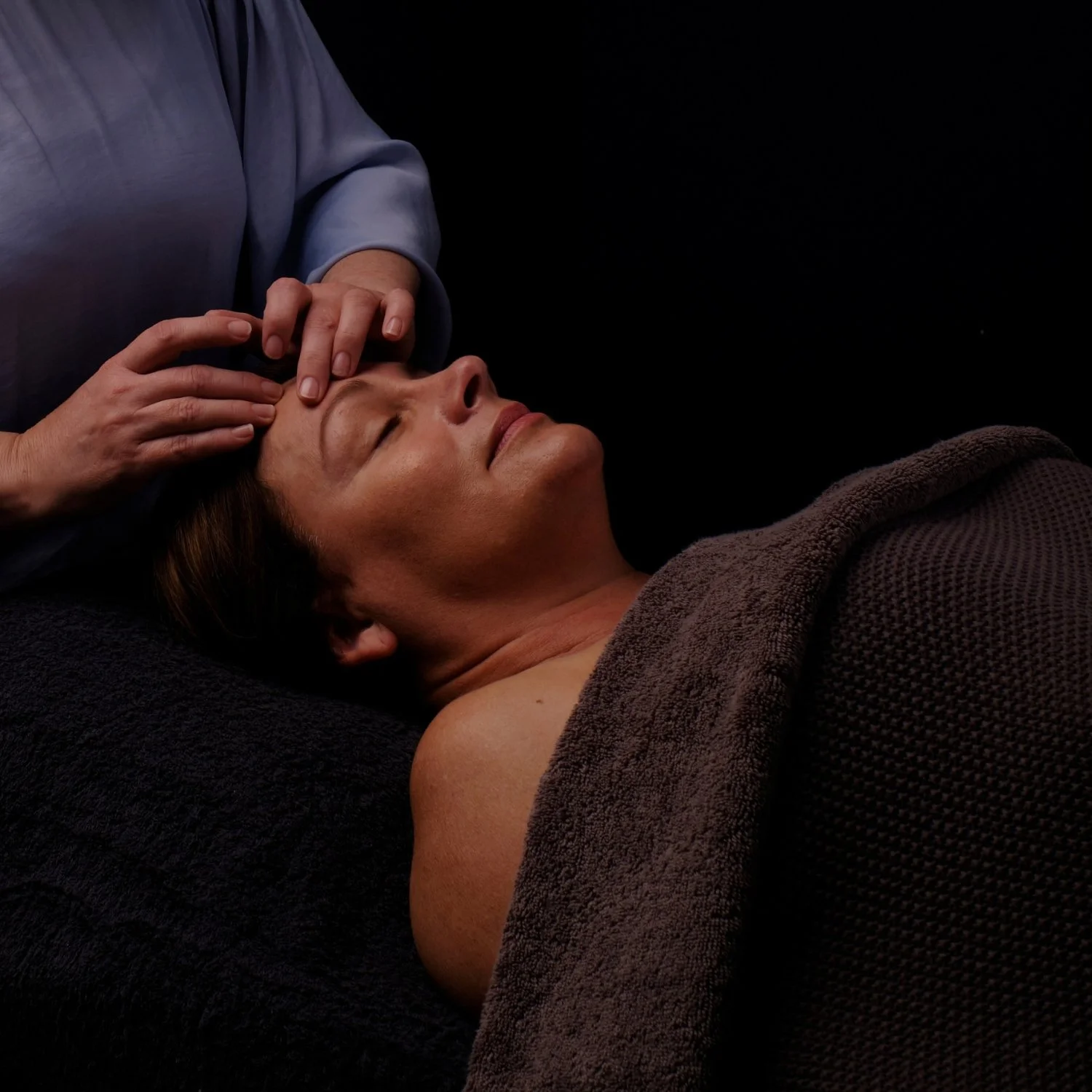
You have known your skin for years. Then it starts behaving in ways you don't recognise. Sometimes the change is gradual; sometimes it seems to happen within a few months.
It may feel drier, tighter or more reactive. Firmness, texture or pigmentation might look different. A moisturiser you've relied on for years may no longer feel like enough by mid-afternoon.
This can be frustrating, particularly when sleep, energy and other parts of life are shifting at the same time. Understanding what may be contributing is a useful first step, and it's where we start at Plume Skin
How we think about skin and ageing
Our goal is healthy, resilient, vibrant skin throughout life. We focus on helping skin age well, with care that respects how it functions and responds to what it needs.
That doesn't mean every change is easy. Some arrive quickly, some are hard to manage, and many affect how you feel about yourself. Accepting that ageing is natural doesn't make those experiences any less real, or unworthy of addressing.
You can comfortably appreciate growing older and still want help with dryness, firmness, lines or pigmentation. We will listen to what matters to you and talk honestly about what's realistic.
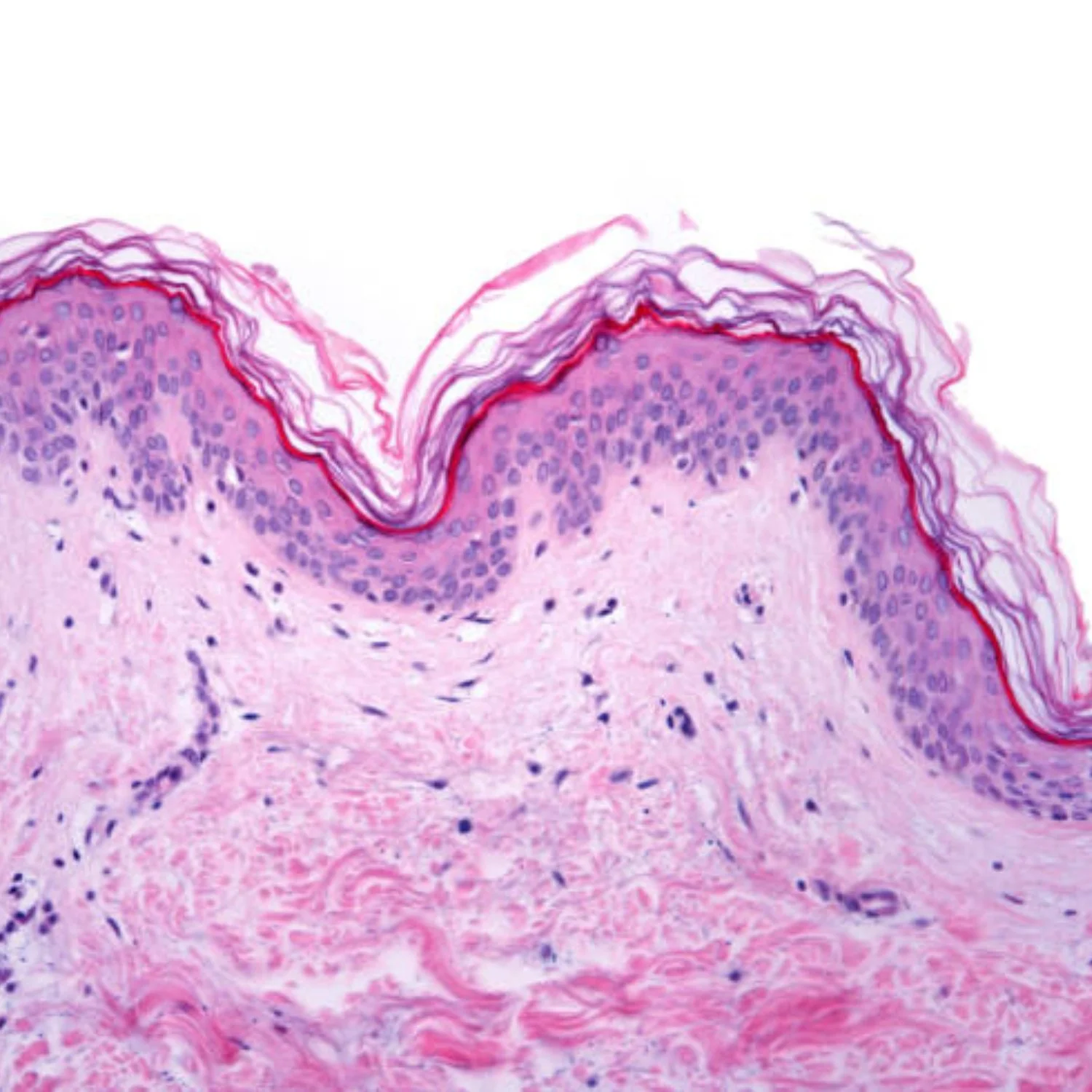
IN PRACTICE, OUR CARE MAY FOCUS ON
supporting the skin's protective barrier
improving hydration and comfort
reducing irritation and reactivity
addressing concerns about firmness and texture
managing uneven pigmentation and the visible effects of sun exposure
When the skin's structure and physiology are respected and it's functioning well, visible improvements and stable behaviour usually follow.
What happens to skin during perimenopause and menopause?
-
Often several years
Perimenopause
The transition leading up to menopause. Hormone levels fluctuate, often unpredictably, and oestrogen in particular.
-
A single point in time
Menopause
Natural menopause is confirmed after 12 consecutive months without a period, when there's no other cause.
-
The years that follow
Postmenopause
Oestrogen settles at lower, steadier levels.
Illustrative only; timing varies from person to person. Menopause can also occur after certain medical treatments, or after surgery to remove both ovaries.
Oestrogen plays a role in skin hydration, thickness, collagen production and barrier function. As levels change, the skin often changes too. Select a change to read more.
Dryness and discomfort
The lipids in the skin's outer layer, including ceramides, change around menopause, and skin can become less able to hold water. It may feel dry, tight or rough, even if it was previously oily or combination.
Thinner skin and loss of firmness
Collagen decline speeds up around menopause, contributing to thinner skin, reduced firmness and more visible lines.
Increased sensitivity
Skin may react to products it used to tolerate. Existing conditions such as dermatitis or rosacea can also become more persistent and harder to settle.
Breakouts
Hormonal shifts can bring breakouts, sometimes alongside dryness or sensitivity. Managing both at once means looking at several factors together: the quality and flow of oil in the skin, the rate of cell turnover, and the relative rise in androgens (such as testosterone) as oestrogen declines.
Pigmentation
Years of accumulated sun exposure often become more visible at this stage, as uneven tone and sunspots.
You may recognise several of these changes, or only one. We don’t assume that every concern is caused by menopause, or that everyone experiencing menopause needs the same care.
Your skin’s history, current routine, health and environment all belong in the conversation.
Understanding your skin comes before choosing a treatment
Your consultation is a chance to talk about what has changed, when you noticed it, what feels most important and what you’d like help with. We will also consider what skincare products you are currently using and how your routine may or may not be supporting your skin.
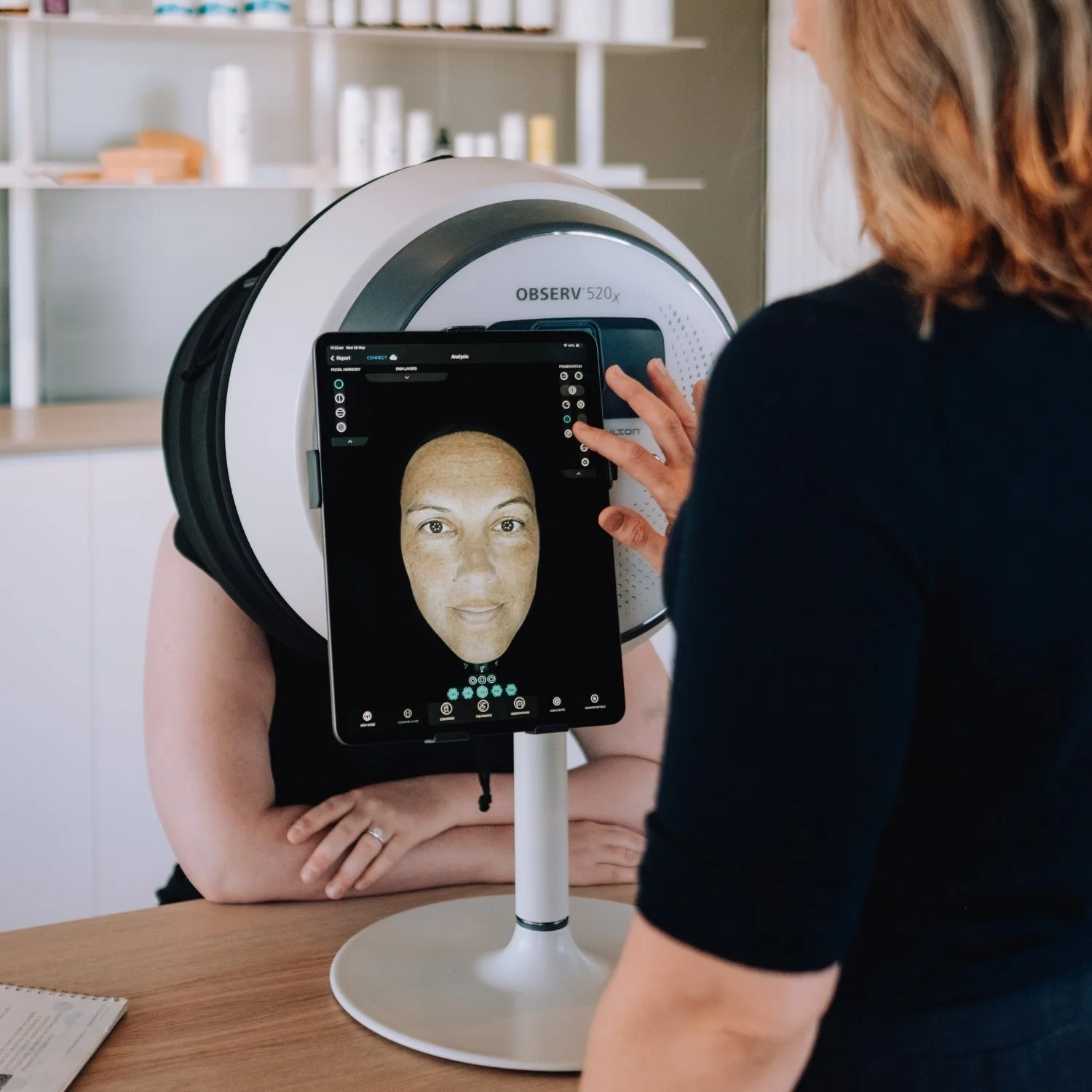
Observ®520x imaging can help us look at features such as texture, pigmentation and visible vascular activity. The images give us another way to explore your skin together and track changes over time.
We also want to understand what care feels manageable. Your time, budget, preferences and capacity for home care help shape a plan you can realistically follow. The most important information in your consultation comes from asking questions and listening to your answers. This helps us to understand you as a person, your experience with your skin and what matters most to you.
Why we pay so much attention to the fundamentals
Your skin is a complex, responsive organ. Our corneotherapeutic approach respects the skins function and structure and considers the foundations before introducing more advanced treatment.
A compromised barrier is more reactive, less able to retain moisture, and less tolerant of stimulation. Introducing strong actives, aggressive exfoliation, or intensive treatments into compromised skin tends to worsen sensitivity and slow repair rather than address the underlying concern.
Where targeted home care fits
At Plume Skin, we look at how your skin is functioning, what you’ve noticed and what matters to you. Then we build a home care routine around your skin and your goals.
There’s no single “menopause skin” type.
Your skin is shaped by many things, including your health, environment, genetics, sun exposure, products and treatments. Your stage of life can help us understand the bigger picture, but it doesn’t tell us exactly what your skin needs.
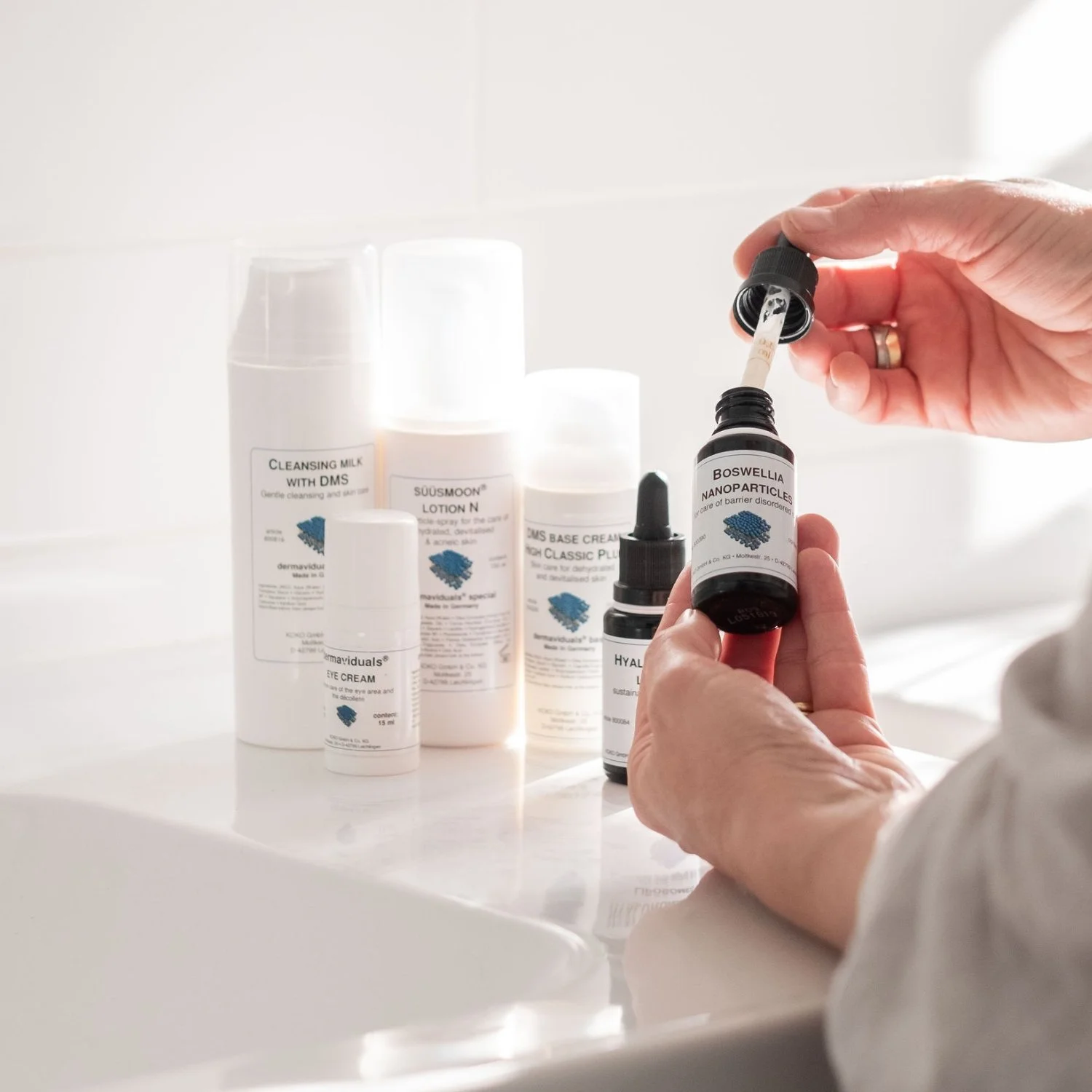
Our first priority, always, is giving your individual skin what it needs to function well, and nothing it doesn't. Within the Dermaviduals range each routine is individually prescribed rather than one-size-fits-all. Through our in-clinic mixing bar, we can draw on 40+ serums, actives, liposomes, nanoparticles and plant extracts to tailor each product to your skin.
Rather than choosing a product simply because it is marketed for menopausal skin, we ask: what does the skin need and what are we wanting to achieve?
In-clinic treatments for menopausal skin
Our in-clinic treatments give us several ways to support skin health and address the changes you’d like help with. We may focus on hydration and comfort, calming reactivity, improving texture and tone, or supporting firmness.
Each treatment plan is personalised to your skin, your goals and your circumstances. We consider how your skin is functioning, your health history, your home care and what feels manageable for you. This helps us choose which modalities to use, how to combine them and when to introduce them.
Customised & Corrective Facial Treatments
These treatments allow us to respond to what your skin needs at each appointment. We select from Dermaviduals professional formulations, targeted actives, enzyme therapy, treatment masks, facial massage and Max+ LED.
For dry or uncomfortable skin, the focus may be replenishing moisture and supporting the barrier. For congestion or uneven texture, we may introduce gentle enzyme exfoliation where appropriate. Masks and selected actives allow us to tailor the treatment further, with attention to hydration, comfort and your individual concerns.
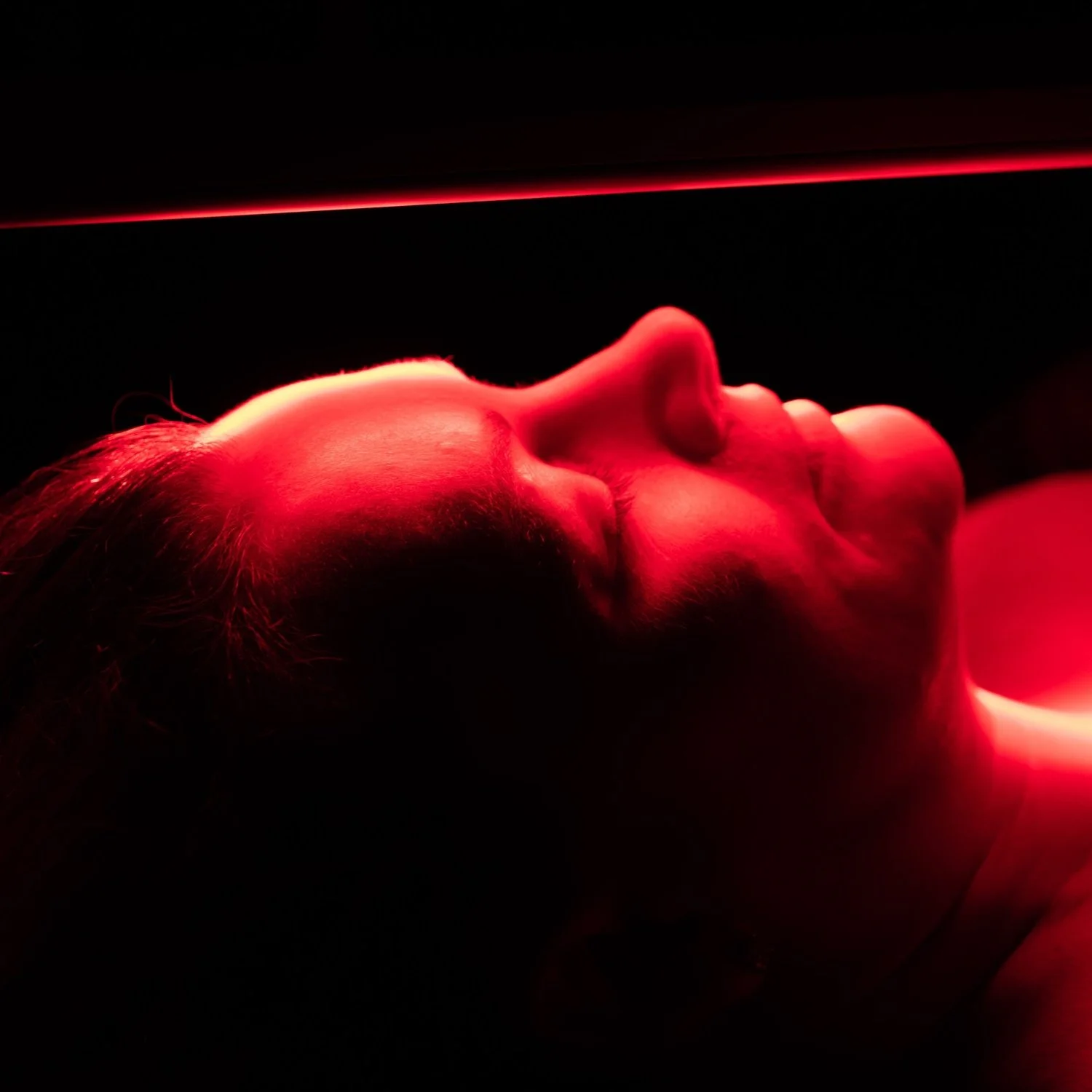
Max+ LED light therapy
LED uses selected wavelengths of light to influence activity within the skin. Red and near-infrared light can support repair processes and collagen production, with research showing improvements in skin texture and the appearance of fine lines over a course of treatment.
With six wavelengths available (infrared, red, yellow, green, blue and violet), Max+ allows us to select protocols according to your skin's condition and the purpose of the appointment. Its ability to support the skin without deliberately injuring its surface makes it a useful part of our approach to rejuvenation and ongoing skin care.
Max+ LED is included in all our Customised & Corrective Facial Treatments. It is also available as a standalone appointment or a personalised series.
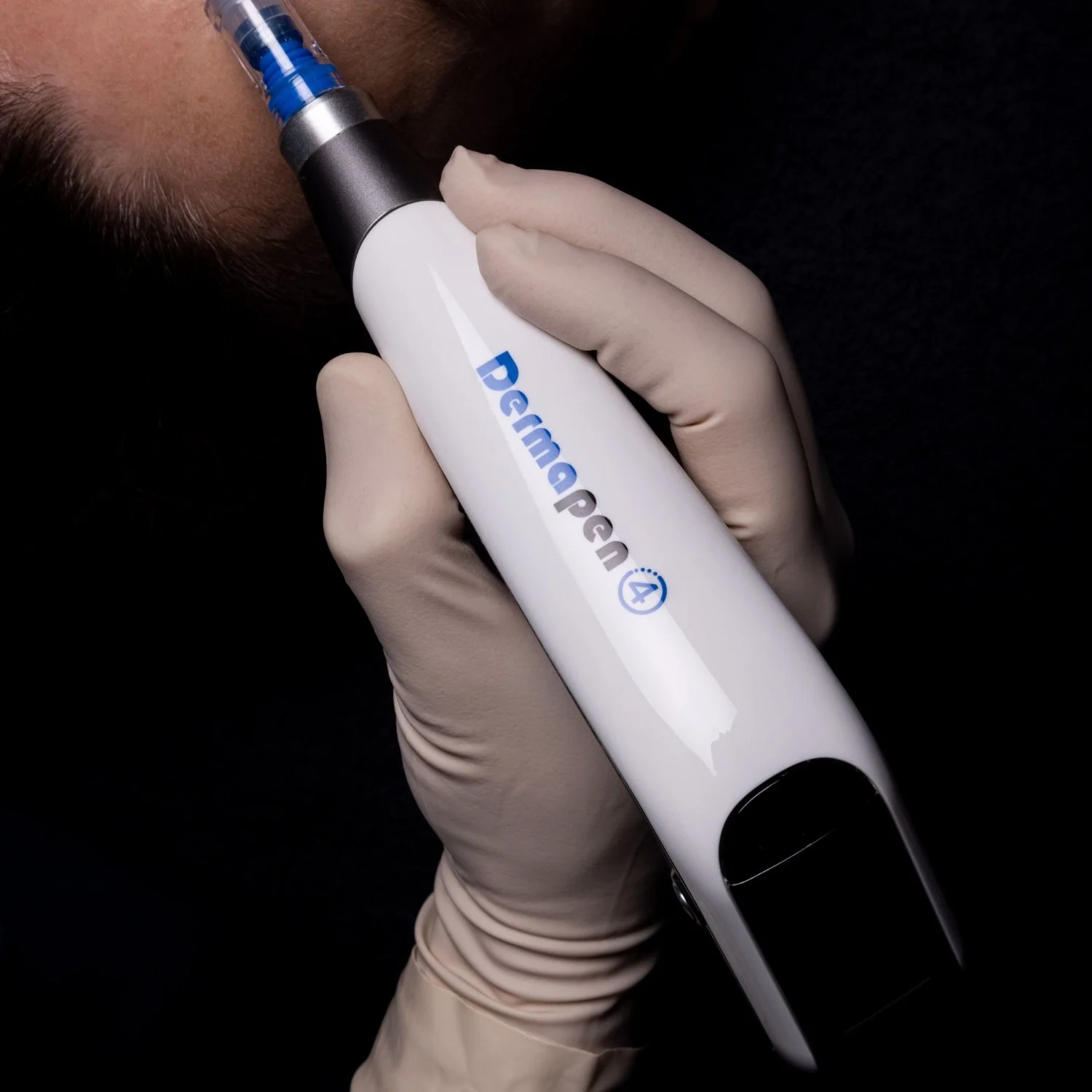
Dermapen4 microneedling
Microneedling uses fine needles to create controlled micro-injuries, activating the skin's healing response and stimulating collagen production. It can help improve the appearance of fine lines, uneven texture and photodamage.
We may consider it when your goals include changes in firmness or texture and your skin is ready for treatment. Preparation, recovery and consistent home care all form part of your personalised plan.
Collagen remodelling takes time, with improvements building over a course of treatment. Appointments are spaced to allow recovery and give these processes time to progress, with results continuing to develop in the months that follow.
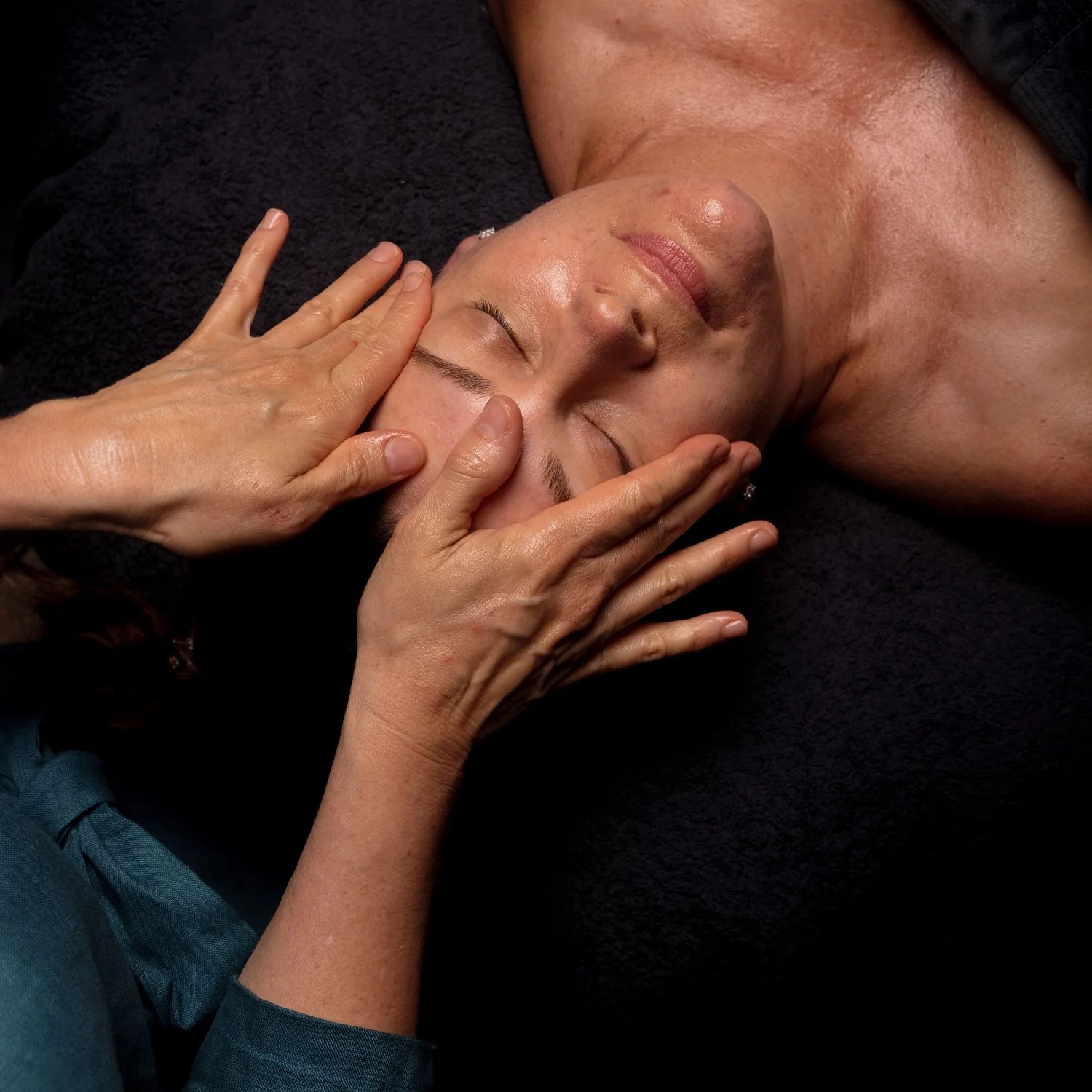
Neolifting® sculptural facial massage
Neolifting® combines sculptural massage of the face and neck with buccal, or intraoral, techniques to work with facial muscles and soft tissues. Massage from both outside and inside the mouth allows focused work around the cheeks and jaw, where tension can be held.
The treatment aims to ease muscular tension, encourage circulation and lymphatic drainage, and reduce the appearance of puffiness. This may leave the face looking more refreshed and defined, alongside a feeling of release and relaxation.
We tailor the treatment to your comfort, preferences and goals. Neolifting® can be enjoyed on its own or included in a broader skin health plan, with the frequency guided by your response and the benefits you notice.
Skin care within the wider picture
Perimenopause and menopause can affect much more than skin, including sleep, mood and physical wellbeing. The experience can also change how someone feels about themselves and their place in the world.
You deserve support for the things affecting your quality of life. Your GP or a clinician experienced in menopause care can help with the broader medical picture, alongside other practitioners where relevant.
Janet works alongside a team of innovative and experienced allied health professionals at Vera Wellness. If you're looking for support that goes beyond skin — whether that's gynecology, pelvic floor physiotherapy, nutrition, or other aspects of your health during this transition — they're a wonderful place to start.

A plan that can adapt with you
We can think of your plan in four simple steps:
Understand your skin, your experience and your goals.
Support your skin with manageable home care and suitable treatments.
Target a particular concern with a selected modality, when it’s appropriate.
Review how your skin feels and responds, then adjust the plan if needed.
This gives your skin time to respond and helps us avoid introducing several new products and treatments all at once. Your plan can change as your skin, preferences or goals change.
Frequently Asked Questions
-
Falling oestrogen affects the lipids in the skin’s outer layer, including ceramides, which help it hold water. Skin often becomes drier and tighter as a result, even if it was oily for most of your life.
-
Yes. Shifting hormone levels can bring breakouts in perimenopause, often alongside dryness or sensitivity. Managing them means considering oil quality and flow, cell turnover, and the relative rise in androgens as oestrogen declines.
-
We love microneedling for well-prepared menopausal skin. Collagen induction therapy stimulates the production of fresh collagen and elastin, which naturally slows with age. Menopause alone doesn’t determine suitability; your skin’s condition, health history, medications and ability to heal all need consideration. We assess these before recommending treatment.
-
You don’t need a separate “pre-menopause” routine. Consistent sun protection and personalised care tailored to your skin are useful at any stage. If menopause arrives earlier or unexpectedly, you haven’t missed your chance to support your skin.
-
Yes. As skin becomes drier and the barrier less efficient, some people notice itching, particularly on the face, neck and body. Supporting the barrier and removing irritants from your routine often makes a noticeable difference to comfort.
-
It can. Hot flushes can trigger flushing, and skin that’s more reactive may flare more easily. We focus on calming inflammation, strengthening the barrier, and choosing treatments and home care that won’t increase reactivity.
-
Usually, yes. We ask about your health history and any medications at your consultation, so we can choose treatments and timing that suit you.
-
In most cases, yes. LED with Max+ is non-thermal and doesn’t injure the skin’s surface, which is why we include it in every Customised & Corrective Facial. We check for medications or conditions that increase light sensitivity before treatment.
-
It depends on the concern and the treatment. Many clients notice their skin feels more comfortable and hydrated within the first few weeks of a tailored routine. Collagen-related changes from microneedling build over several months.
Where to begin
If you're already a Plume Skin client
If your skin has started to feel or behave differently, we'd like to hear about it. Mention it at your next appointment, or email us at hello@plumeskin.com.au if you'd rather not wait. Your skin therapist will look at what's changed and adapt your home care and treatment plan with those changes in mind.
Email the clinicIf you're new to Plume Skin
A New Client Experience or New Client Consultation at our Paddington clinic gives us time to get to know you and your skin: what's changed, what you've tried and what you'd like help with. If you can't find a suitable time, you're welcome to join our waitlist.
References
- Healthdirect Australia. Menopause.
- World Health Organization. Menopause.
- Thornton MJ. Estrogens and aging skin. Dermato-Endocrinology, 2013.
- Menopause induces changes to the stratum corneum ceramide profile, which are prevented by hormone replacement therapy. Scientific Reports, 2022.
- Roster K et al. Menopause and common dermatoses: a systematic review. American Journal of Clinical Dermatology, 2025.
- American Academy of Dermatology. Caring for your skin in menopause.
- Lee SY et al. A prospective, randomized, placebo-controlled, double-blinded, and split-face clinical study on LED phototherapy for skin rejuvenation. Journal of Photochemistry and Photobiology B, 2007.
- American Academy of Dermatology. Microneedling can fade scars, uneven skin tone, and more.
- Sylton. Observ® 520x.